
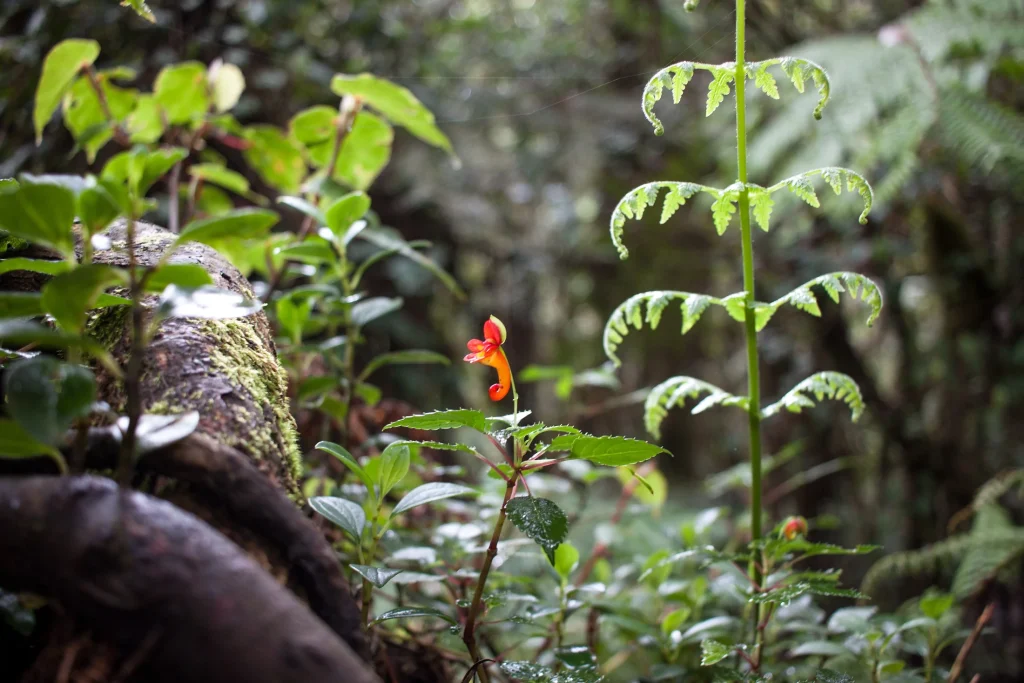

The lower mountain deserves more than a hurried introduction to a summit photograph. A forest flower, a changing view through trees or time spent in the surrounding area can shape how you remember Kilimanjaro. Give those interests a place in the plan from the beginning, rather than hoping they will fit into spare time.
Choose a subject before choosing a pace
Start with what you want to understand. You might be interested in forest vegetation, photography, the mountain’s broader setting or a quiet day between longer travel commitments. Naming that interest makes it easier to ask useful questions about a proposed visit. A general promise of scenery tells you much less than a clear explanation of where a day goes and what it involves.

Private Kilimanjaro Airport Transfer JRO ↔ Moshi/Arusha
We provide reliable, punctual private transfers with experienced local drivers. With flight tracking, flexible pickup times, and clear communication...

From Kilimanjaro Airport One Way Private Transfer to Arusha Town
The driver will be waiting for you ready to take you to the Northern Tanzania tourist town in an air-conditioned cl...

Private Airport & City Transfers in Arusha, Tanzania
Why Choose TrustWay Transfers? Reliable and Punctual: We value your time. Our drivers are trained to ensure timely...

5 Days Tanzania Big Cat Safari
Discover the breathtaking beauty of Tanzania on this unforgettable safari adventure through some of Africa’s most...
TANAPA lists lower-forest nature walks and guided day hikes among Kilimanjaro’s visitor activities. That does not make every route a casual walk or every setting freely accessible. Confirm the exact arrangements, guiding and access for the activity you are considering. Read an activity’s own requirements rather than inferring them from a photograph.
Look for the small changes
A close view asks you to slow your attention. Look at the shape of a leaf, the way a flower sits on its stem or the different surfaces within a patch of forest. You do not need to collect a long list of species names for the experience to be meaningful. An accurately described observation is more useful than a confident but uncertain identification.
The forest photograph accompanying this guide was made on the Machame approach in January 2019. It is an image of a particular subject at a recorded time, not a current flowering forecast. That distinction is worth keeping in mind whenever seasonal photographs help you choose a destination.
Keep a simple observation record
- Note the place name supplied by your guide or the source of the visit information.
- Separate what you saw from what you inferred.
- A flower’s colour and shape are observations.
- A species name needs a reliable identification.
- Keep a few wider photographs so close details do not lose their setting.
Ask a local professional how they describe the place. Their work is more than providing a background to a visitor’s photograph. If you want to quote someone or publish a portrait, explain the intended use and seek their permission. An ordinary courteous conversation is a better starting point than treating people as part of the scenery.
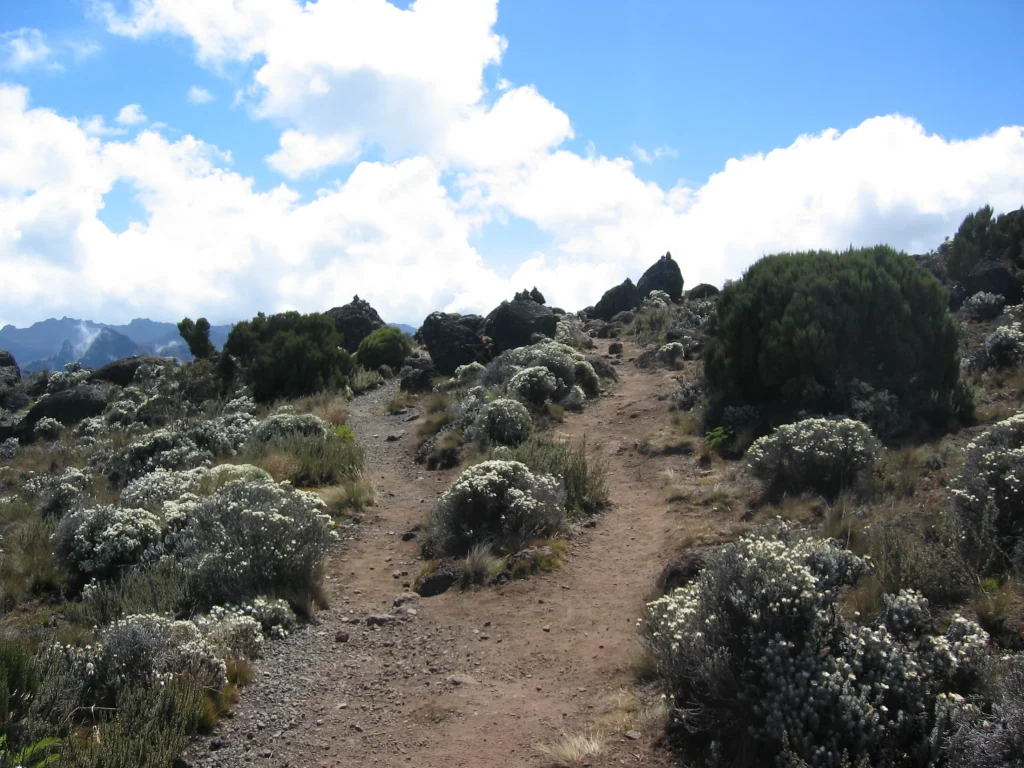


Leave room around the visit
Travel days, check-in arrangements and the next morning’s plans all affect how much attention you can give a place. Avoid treating every available hour as a slot that must be filled. When comparing a day activity, look at the complete sequence from pickup to return, not just the time described at the main stop.
| Interest | What to clarify |
|---|---|
| Forest and plants | The actual setting and the scope of guiding |
| Photography | Time to stop, permission and weather alternatives |
| A gentler travel day | Walking demands, transfers and the return time |
Keep the mountain and its surroundings connected
Accommodation and arrival choices can make a lower-mountain visit easier to fit into the trip. Discuss your full schedule with the people arranging it and leave the booking details in writing. Our guide to choosing a base explains the practical distinctions to compare without inventing a best hotel for every traveler.

Kilimanjaro one day hike experience by KILITA SAFARIS
Experience a scenic day hike on Mount Kilimanjaro via the popular Marangu Route, perfect for beginners and travelers with limited time. Explore the lu...

Arusha National Park Private Safari
Arusha National Park is the closest national park to Arusha town covering an area of 137 sq. km and is about 60kms f...

Best Kilimanjaro hiking day trip tour From Arusha/Moshi
Majestic Mount Kilimanjaro is the awe-inspiring landmark of Tanzania but you don’t need to climb it to experience...

Materuni Waterfall and Coffee Plantation Half Day Tour
Enjoy a half-day tour to the edge of Mt. Kilimanjaro for: 1. Professional English speaking guide 2. Guided waterfall...
For the current activity framework, consult TANAPA’s Kilimanjaro attractions and its visitor guide. This editorial introduction does not replace the arrangements for a specific guided visit.