
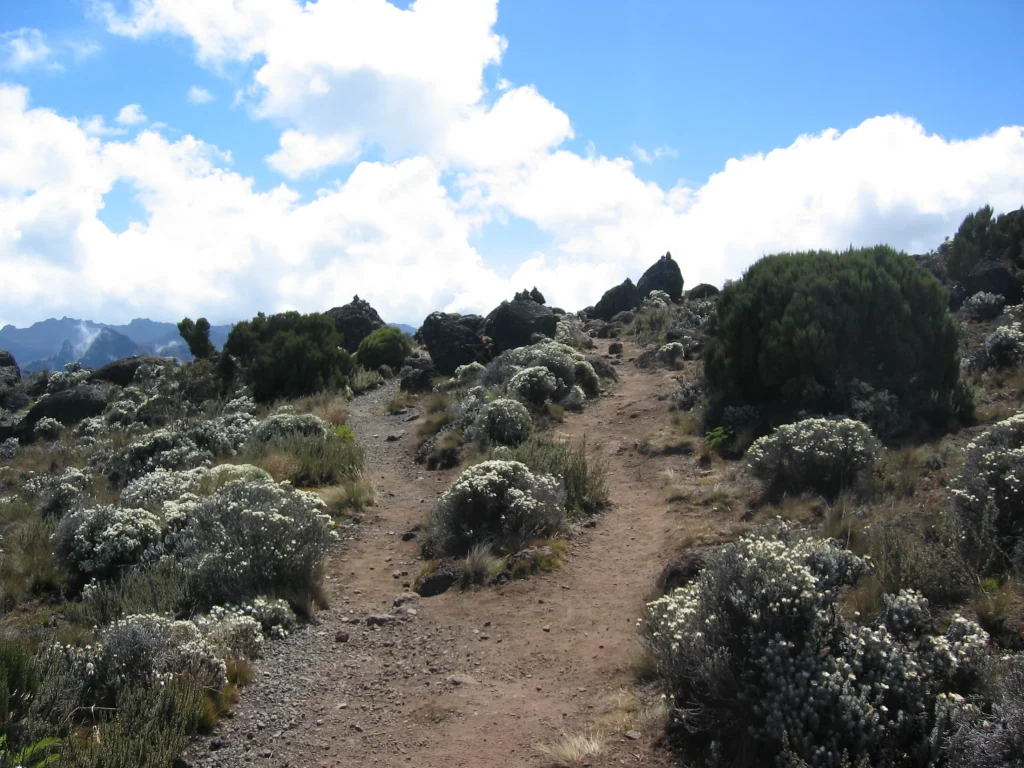


The mountain may be the main reason for a trip, but the days around it deserve planning too. Arrival arrangements, a briefing, time in the surrounding area and the journey onward all belong to the same visit. Set them out together before treating a trek or day activity as an isolated booking.
Start with the fixed points
List the parts of the trip that already have a confirmed time or place. These might include arrival, accommodation dates, an operator briefing or onward travel. Keep confirmed information separate from ideas you are still considering. That simple distinction makes it easier to see what depends on what.

Private Kilimanjaro Airport Transfer JRO ↔ Moshi/Arusha
We provide reliable, punctual private transfers with experienced local drivers. With flight tracking, flexible pickup times, and clear communication...

From Kilimanjaro Airport One Way Private Transfer to Arusha Town
The driver will be waiting for you ready to take you to the Northern Tanzania tourist town in an air-conditioned cl...

Private Airport & City Transfers in Arusha, Tanzania
Why Choose TrustWay Transfers? Reliable and Punctual: We value your time. Our drivers are trained to ensure timely...

5 Days Tanzania Big Cat Safari
Discover the breathtaking beauty of Tanzania on this unforgettable safari adventure through some of Africa’s most...
Discuss the complete sequence with the people arranging the relevant services. A transfer that works for one itinerary may not fit another. Ask for the meeting point and arrangements in writing, especially when different providers are responsible for different parts of the trip.
Give each day one clear purpose
A travel day, a day with a guided activity and a day set aside for the surrounding destination have different demands. Trying to make all of them equally full can make the plan difficult to follow. Decide what matters most on each day and leave the supporting details around that purpose.
| Part of the visit | Main purpose | What to confirm |
|---|---|---|
| Arrival | Reach the agreed base | Pickup, check-in and contact details |
| Preparation | Understand the planned experience | Briefing and individual requirements |
| Guided activity | Follow the agreed itinerary | Operator responsibilities and current arrangements |
| Return | Reconnect with the wider trip | Accommodation, belongings and onward plans |
Leave uncertain details visibly uncertain
Weather, access and provider arrangements should be checked through the people responsible for them. An old photograph can help you understand a landscape, but it is not evidence of conditions on your travel date. A general guide can explain the questions to ask, but it cannot confirm the availability of a particular service.
Keep a short list of what still needs verification. Give each item an appropriate source: the operator for its itinerary, the accommodation for its arrival arrangements, and the park authority for current park information. That is more useful than collecting conflicting fragments without noting where they came from.
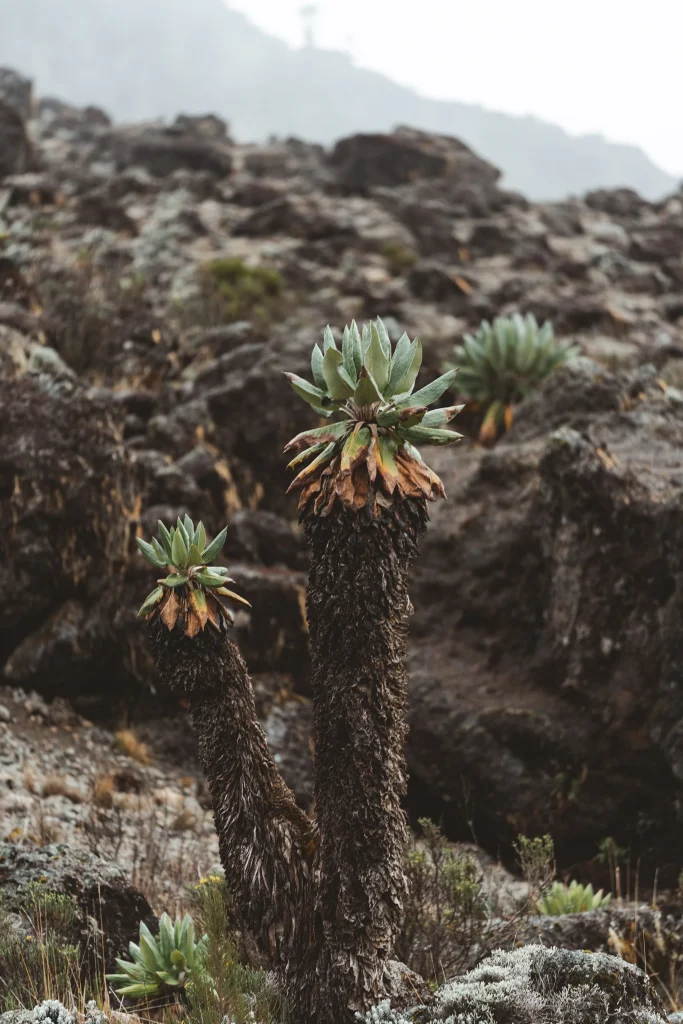

Plan for attention as well as movement
If landscapes and photography matter to you, say so when discussing an activity. Ask what the planned day involves and whether it allows time for the subjects that interest you. The answer may help you choose between different experiences without assuming that the most ambitious option is automatically the most rewarding.
The lower mountain has its own interest, and a trip does not need to be described only in terms of reaching a summit. Forest detail, open moorland and views of the volcanic forms can all shape the destination story. Make your interests clear while leaving the professional planning of a specific trek with the people responsible for it.
Keep the useful information together
- One current itinerary rather than several competing drafts.
- Confirmed provider and accommodation names.
- Meeting points and the agreed communication method.
- Booking terms and the outstanding questions to resolve.

Materuni Waterfall and Coffee Plantation Half Day Tour
Enjoy a half-day tour to the edge of Mt. Kilimanjaro for: 1. Professional English speaking guide 2. Guided waterfall hike 3. Chagga hot lunch 4. Coffe...

Kilimanjaro one day hike experience by KILITA SAFARIS
Experience a scenic day hike on Mount Kilimanjaro via the popular Marangu Route, perfect for beginners and travelers...

Arusha National Park Private Safari
Arusha National Park is the closest national park to Arusha town covering an area of 137 sq. km and is about 60kms f...

Best Kilimanjaro hiking day trip tour From Arusha/Moshi
Majestic Mount Kilimanjaro is the awe-inspiring landmark of Tanzania but you don’t need to climb it to experience...
Review those details before the trip and whenever an arrangement changes. Our questions before a trek and base-planning guide develop the main comparisons. Use TANAPA’s current visitor guidance for the official park context.